


| SNo. | Scientific Name | Locality | Habitat | Basis of Record | Description | Recorded By | Record Number | Island | Source | Date |
|---|---|---|---|---|---|---|---|---|---|---|
| 1 | Clermontia oblongifolia subsp. brevipes | Locality redacted. Contact Bishop Museum Botany Department for details | Preserved_Specimen | Rock, J.F.C. | Molokai | BISH | 1920-02-01 | |||
| 2 | Clermontia oblongifolia subsp. brevipes | Locality redacted. Contact Bishop Museum Botany Department for details | Preserved_Specimen | Warshauer, F.R. | 2394 | Molokai | BISH | 1979-07-11 | ||
| 3 | Clermontia oblongifolia subsp. brevipes | Locality redacted. Contact Bishop Museum Botany Department for details | Preserved_Specimen | Forbes, C.N. | 157 | Molokai | BISH | 1912-07-01 | ||
| 4 | Clermontia oblongifolia subsp. brevipes | Locality redacted. Contact Bishop Museum Botany Department for details | Preserved_Specimen | Forbes, C.N. | 157 | Molokai | BISH | 1912-07-01 | ||
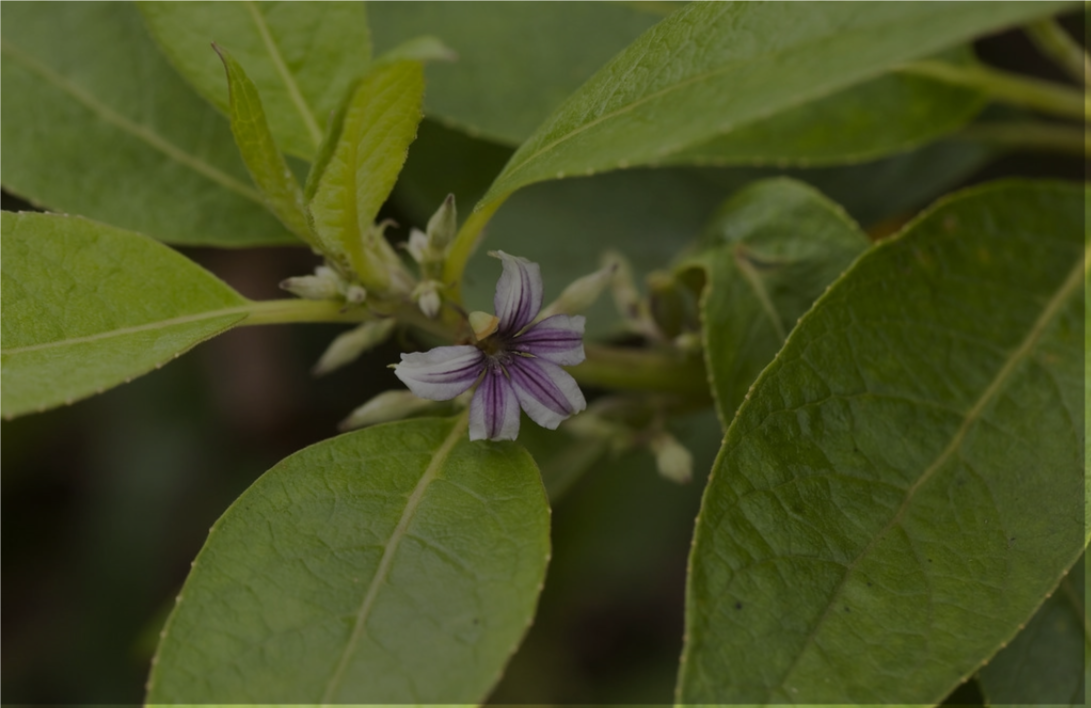
| 5 | Clermontia oblongifolia subsp. brevipes | Locality redacted. Contact Bishop Museum Botany Department for details | Growing several feet below pali edge. Growing with Plantago, Lycopodium cernuum, Selaginella deflexa, Luzula, Ilex, Dubautia, Trematolobelia, viny Gouldia, Astelia, Smilax. | Preserved_Specimen | Shrub. Many branches, height 2', densely foliate, hiding flowers. Green ovary, flower whitish - green with light violet streaks. Immature flowers seen. Not at all common. | Davis, J. | 802 | Molokai | BISH | 1982-05-23 |
| 6 | Clermontia oblongifolia subsp. brevipes | Locality redacted. Contact Bishop Museum Botany Department for details | Wet `ohi`a forest with other native trees and a treefern and native shrub understory. | Preserved_Specimen | 5 cm dia; 2+m tall, many short branches. 2 flowers per pedicle; flower plae green; calyx as long as corolla. | Warshauer, F.R. | 2397 | Molokai | BISH | 1979-07-11 |
| 7 | Clermontia oblongifolia subsp. brevipes | Locality redacted. Contact Bishop Museum Botany Department for details | Wet `ohi`a forest with other native trees & a treefern & native shrub understory. | Preserved_Specimen | 1 m tall, 4 cm diam.; 7 branches, 1.5 m up on Cibotium, shady. | Warshauer, F.R. | 2394 | Molokai | BISH | 1979-07-11 |
| 8 | Clermontia oblongifolia subsp. brevipes | Locality redacted. Contact Bishop Museum Botany Department for details | Metrosideros | Preserved_Specimen | 5 m shrub, fruit yellow | St.John, H. | 25191 | Molokai | BISH | 1953-12-23 |
| 9 | Clermontia oblongifolia subsp. brevipes | Locality redacted. Contact Bishop Museum Botany Department for details | Metrosideros wet forest. Cheirodendron trigynum, Broussaisia arguta, Cyrtandra grayana, Labordia hedyosmifolia, Astelia menziesiana, Ilex anomala, Eurya sandwicensis, Vaccinium, Plantago pachyphylla, Lobelia gloria-montis, C | Preserved_Specimen | Shrub 12 ft ht with flowers and immature fruit. | Perlman, S. | 21620 | Molokai | BISH | 2009-05-05 |
Lorem ipsum dolor sit amet, consectetur adipiscing elit, sed do eiusmod tempor incididunt ut labore et dolore magna aliqua. Ut enim ad minim veniam, quis nostrud exercitation ullamco laboris nisi ut aliquip ex ea commodo consequat. Duis aute irure dolor in reprehenderit in voluptate velit esse cillum dolore eu fugiat nulla pariatur. Excepteur sint occaecat cupidatat non proident, sunt in culpa qui officia deserunt mollit anim id est laborum.
Lorem ipsum dolor sit amet, consectetur adipiscing elit, sed do eiusmod tempor incididunt ut labore et dolore magna aliqua. Ut enim ad minim veniam, quis nostrud exercitation ullamco laboris nisi ut aliquip ex ea commodo consequat. Duis aute irure dolor in reprehenderit in voluptate velit esse cillum dolore eu fugiat nulla pariatur. Excepteur sint occaecat cupidatat non proident, sunt in culpa qui officia deserunt mollit anim id est laborum.
Lorem ipsum dolor sit amet, consectetur adipiscing elit, sed do eiusmod tempor incididunt ut labore et dolore magna aliqua. Ut enim ad minim veniam, quis nostrud exercitation ullamco laboris nisi ut aliquip ex ea commodo consequat. Duis aute irure dolor in reprehenderit in voluptate velit esse cillum dolore eu fugiat nulla pariatur. Excepteur sint occaecat cupidatat non proident, sunt in culpa qui officia deserunt mollit anim id est laborum.
Lorem ipsum dolor sit amet, consectetur adipiscing elit, sed do eiusmod tempor incididunt ut labore et dolore magna aliqua. Ut enim ad minim veniam, quis nostrud exercitation ullamco laboris nisi ut aliquip ex ea commodo consequat. Duis aute irure dolor in reprehenderit in voluptate velit esse cillum dolore eu fugiat nulla pariatur. Excepteur sint occaecat cupidatat non proident, sunt in culpa qui officia deserunt mollit anim id est laborum.
Lorem ipsum dolor sit amet, consectetur adipiscing elit, sed do eiusmod tempor incididunt ut labore et dolore magna aliqua. Ut enim ad minim veniam, quis nostrud exercitation ullamco laboris nisi ut aliquip ex ea commodo consequat. Duis aute irure dolor in reprehenderit in voluptate velit esse cillum dolore eu fugiat nulla pariatur. Excepteur sint occaecat cupidatat non proident, sunt in culpa qui officia deserunt mollit anim id est laborum.
Lorem ipsum dolor sit amet, consectetur adipiscing elit, sed do eiusmod tempor incididunt ut labore et dolore magna aliqua. Ut enim ad minim veniam, quis nostrud exercitation ullamco laboris nisi ut aliquip ex ea commodo consequat. Duis aute irure dolor in reprehenderit in voluptate velit esse cillum dolore eu fugiat nulla pariatur. Excepteur sint occaecat cupidatat non proident, sunt in culpa qui officia deserunt mollit anim id est laborum.
Thank you for your interest in submitting an image of
Select your image and leave a brief description of your photo below.